Wondering if you can get suburban space without signing up for a draining daily drive? If you work in or around Des Moines, Altoona often comes up for exactly that reason. It gives you a close-in suburb feel, practical housing options, and plenty to do close to home. Let’s look at whether Altoona fits the kind of commute and lifestyle you actually want.
Altoona offers a short Des Moines commute
Altoona sits on the east side of the Des Moines metro, and the numbers point to a fairly manageable commute for many buyers. Greater Des Moines Partnership places Altoona 10.3 miles from Des Moines, while Visit Altoona describes it as about five miles east of Des Moines. An automated drive estimate puts the trip at about 13.2 miles and 16 minutes in normal conditions.
That does not mean every trip feels exactly the same each day, but it does support the idea that Altoona is a true suburb of Des Moines rather than a far-out exurban option. Altoona’s mean travel time to work is 22.5 minutes, which also lines up with what many buyers want when they hope to keep work access reasonable. For a lot of commuters, that is a solid middle ground between city living and a longer suburban drive.
Altoona is also growing. The city reached a population of 22,598 in 2024 after 14.9% growth since the 2020 Census base. That kind of growth can be a sign that more buyers see value in the location, housing mix, and day-to-day convenience.
Freeway access is a big part of the appeal
If you are thinking about Altoona, it helps to understand that the commute story is mostly about road access. The Iowa DOT’s Polk County highway map shows Altoona beside the I-80 and US-65 corridor, with the wider Des Moines freeway system built around I-35, I-80, and I-235. In plain terms, Altoona works well for people who expect to drive and want direct access into the metro.
That can be a major plus if your job takes you into Downtown Des Moines or other parts of the metro connected by the interstate system. You are not relying on a slow patchwork of local roads to get everywhere. Instead, your commute is tied to the same main routes many Des Moines-area workers already use.
The tradeoff is just as important to understand. Altoona is not a walk-to-work suburb for most people, so your commute depends more on traffic flow and construction conditions than on simple mileage alone. The Iowa DOT also highlights major Des Moines-area interstate projects, including the Northeast and Southwest Mixmasters and the I-80 and I-235 east-west corridor, which matter because these are the routes many commuters depend on.
Altoona has a real transit option too
Many suburbs are almost entirely car-dependent, but Altoona does have a useful transit connection for some residents. DART Route 17, Hubbell Ave / Altoona, links Downtown and DART Central Station with stops that include East Pointe Plaza, the East Side Public Library, the Altoona Walmart Park & Ride, the Outlets of Des Moines, Adventureland Inn, and Bondurant’s Amazon fulfillment center.
That matters if you want a backup plan for certain workdays, errands, or park-and-ride use. It may not replace driving for every household, but it adds flexibility that some suburban buyers do not expect to find. If you value options, that is worth noting.
Daily life in Altoona can simplify your week
A commute is only part of the equation. The other question is what your life looks like when you are not working, because convenience at home can make a suburb feel much more livable.
Visit Altoona and the Greater Des Moines Partnership describe Altoona as a suburban community with a strong mix of shopping, entertainment, and recreation. Frequently noted destinations include Adventureland Resort, Prairie Meadows, Bass Pro Shops, the Outlets of Des Moines, Olde Town Altoona, the Altoona Public Library, Prairie Heritage Park, Terrace Hills Golf Course, and the Gay Lea Wilson trail, along with access to the broader Central Iowa trail system.
That mix can be especially appealing if you want to keep everyday errands and weekend plans close to home. Instead of driving across the metro for everything, you may be able to handle more of your routine nearby. For many buyers, that helps Altoona feel more self-contained than a suburb that only offers housing.
Housing options fit many suburban buyers
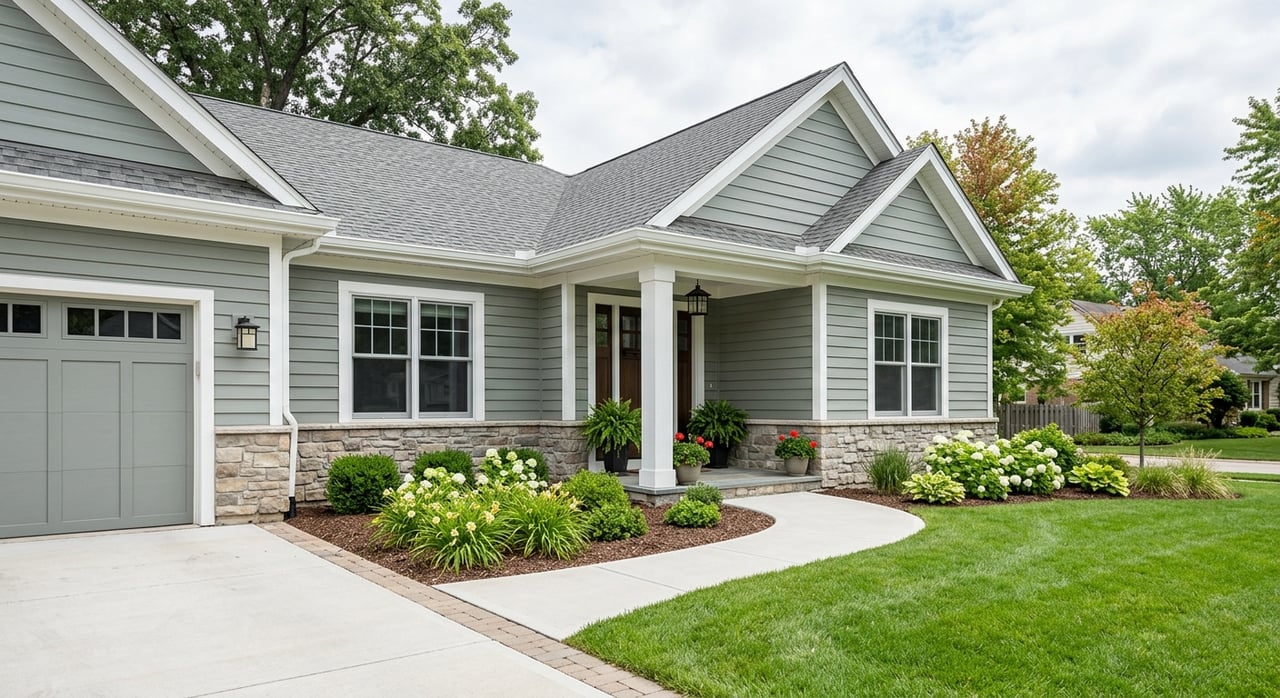
Altoona’s housing profile is one reason it often appeals to first-time buyers, move-up buyers, and relocating households. Greater DSM says the city includes primarily new construction, 20- to 30-year-old homes, and pockets of mid-century housing. That gives you more variety than a place that is dominated by only one era or one housing style.
If you want a newer subdivision feel, Altoona has options that align with that preference. If you prefer something a little more established, there are also homes from earlier decades. This range can make the home search more practical, especially if you are balancing budget, commute, and layout priorities all at once.
The city’s planning materials also point to a community-of-neighborhoods approach, with interconnected streets, greenways, trail corridors, and housing diversity. Development standards reference local streets, residential collectors, sidewalks, and designated trails, which fits what many buyers expect in newer suburban design. In simple terms, Altoona has been planned with neighborhood connectivity in mind rather than just isolated pockets of homes.
Parks and trails support the suburban feel
For many buyers, a suburb feels more useful when it offers outdoor access close to home. Altoona’s planning materials say virtually all residential areas are within a half-mile of a park, and most are within a quarter-mile. The city also intends trail and park expansion in growth areas.
That does not tell you which exact block is right for you, but it does help explain why parks and trail access show up as part of Altoona’s appeal. If you want places to walk, bike, or spend time outside without a long drive, that planning framework matters. It is one of the features that can make a suburban routine feel easier and more balanced.
What the numbers suggest about the market
Census QuickFacts shows Altoona’s owner-occupied housing rate at 68.7%. It also lists a median owner-occupied home value of $274,600 and median monthly owner costs with a mortgage at $1,813.
Those figures suggest a market where many buyers are comparing suburban single-family homes, newer builds, and some attached housing. Altoona does not read as a place defined only by starter homes or only by high-end inventory. For many buyers, that means you may find a wider spread of options depending on your goals and price point.
Who Altoona may fit best
Altoona can be a strong match if you want a suburb that keeps you connected to Des Moines without feeling too far removed. It may especially appeal to you if you value:
- A relatively short freeway commute
- Access to I-80, US-65, and the wider Des Moines freeway network
- A mix of newer homes, established homes, and some attached housing
- Shopping, entertainment, and recreation close to home
- Parks, trails, and neighborhood planning that support day-to-day convenience
- A transit option through DART Route 17 for some trips
For relocating buyers, Altoona can also make sense because it is easier to explain and visualize than some more spread-out outer-ring areas. You can usually understand the appeal quickly: suburban housing, direct regional access, and a lot of nearby amenities.
What to weigh before choosing Altoona
No suburb is perfect for every buyer, and Altoona has a few practical tradeoffs to consider. The biggest one is that the commute depends heavily on interstate travel. If you strongly prefer a short local-street drive or want a neighborhood where you can walk to work, Altoona may not line up with that goal.
You should also keep current road projects in mind when thinking about your daily routine. Since many commutes from Altoona rely on the I-80 and I-235 network, traffic patterns and construction can shape how the drive feels in real life. That is why a map distance alone never tells the whole story.
If schools are part of your search, Greater DSM places Altoona in the Southeast Polk Community School District and notes a 95% graduation rate. That can be helpful context, but you will still want to do school-specific due diligence based on your own needs and preferences.
So, is Altoona right for your Des Moines commute?
For many buyers, yes. Altoona stands out when you want a close-in suburb with a generally manageable commute, a broad housing mix, and enough shopping, recreation, and entertainment to make daily life easier.
The best fit usually comes down to how you want your week to feel. If you are comfortable with an interstate-based commute and want suburban convenience with strong access to Des Moines, Altoona is worth a serious look. If you want help comparing Altoona with other Des Moines-area suburbs, BVZ Homes can help you sort through commute patterns, housing options, and the neighborhoods that best match your goals.
FAQs
Is Altoona close enough for a daily Des Moines commute?
- Altoona is widely considered a close-in Des Moines suburb, with sources placing it about 10.3 miles from Des Moines and an automated drive estimate of about 16 minutes in normal conditions.
What highways matter most for an Altoona commute?
- Altoona sits by the I-80 and US-65 corridor, and many commutes connect into the broader Des Moines freeway network through I-35, I-80, and I-235.
Does Altoona have public transit to Des Moines?
- Yes. DART Route 17 connects Altoona with Downtown Des Moines and DART Central Station, along with several local stops including the Altoona Walmart Park & Ride.
What kind of homes can you find in Altoona?
- Altoona offers a mix of primarily new construction, 20- to 30-year-old homes, and some mid-century housing, along with a range of suburban single-family and some attached options.
What amenities make Altoona appealing to commuters?
- Altoona offers a mix of shopping, entertainment, recreation, parks, and trail access, including destinations like Olde Town Altoona, Prairie Heritage Park, the Outlets of Des Moines, and the Gay Lea Wilson trail.
Is Altoona a good fit for relocating buyers moving to Central Iowa?
- Altoona can be a strong fit for relocating buyers who want suburban housing, straightforward access to Des Moines, and a community with many everyday amenities close by.