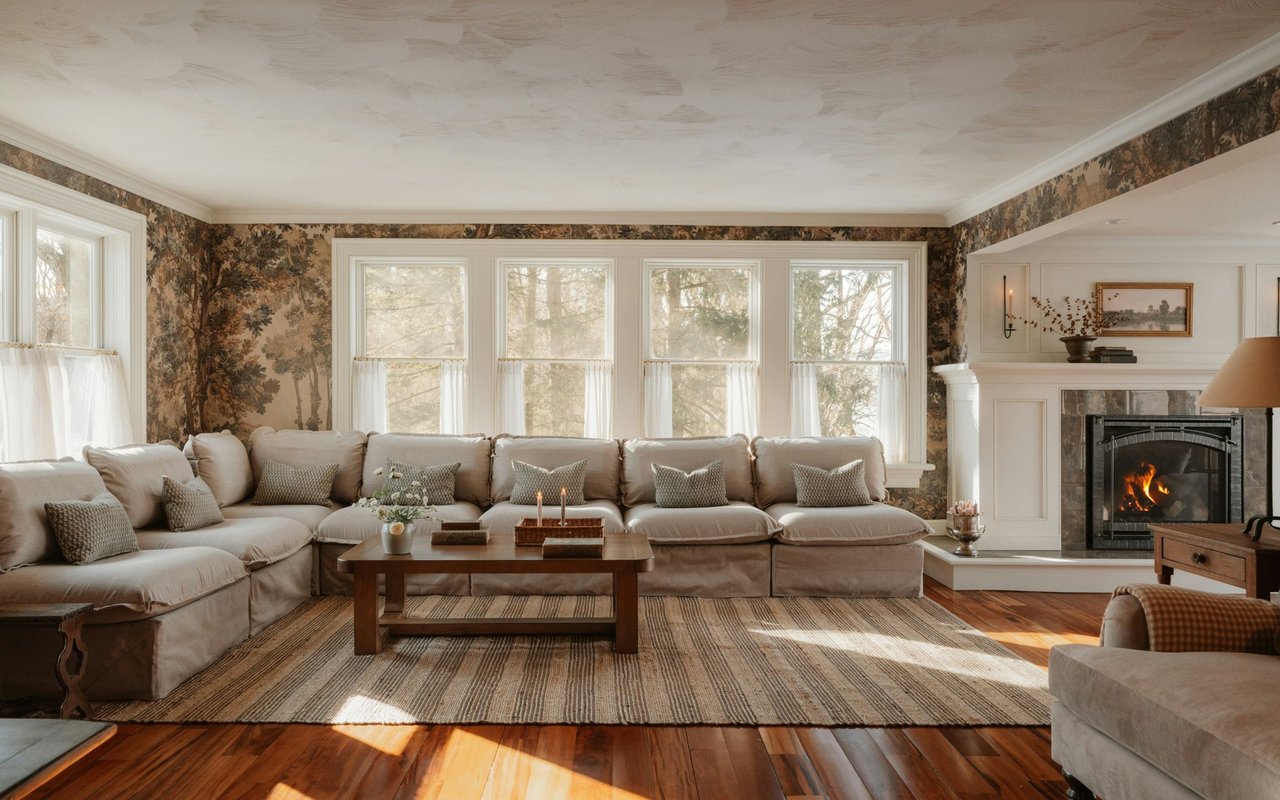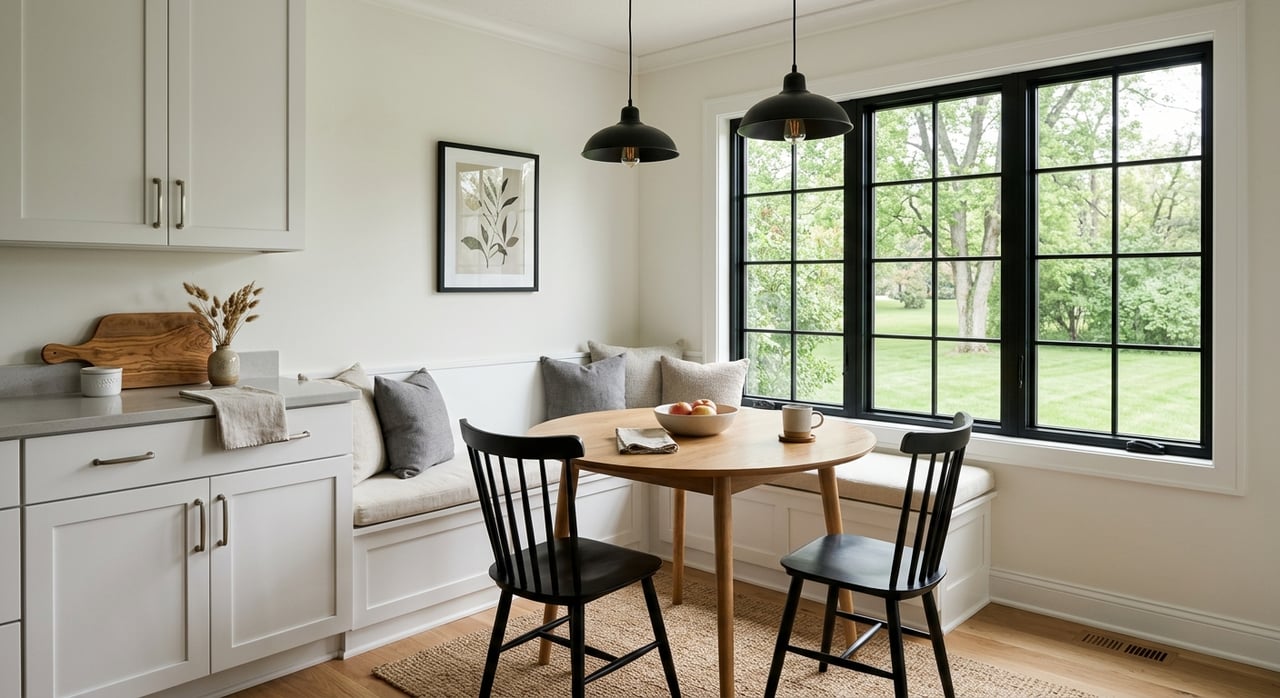
Trying to choose between West Des Moines and Waukee? You are not alone. Many Central Iowa buyers end up comparing these two west-side suburbs because both offer strong housing options, convenient access to the metro, and a suburban lifestyle that appeals to first-time buyers, move-up buyers, and relocating households alike. The difference usually comes down to what matters most to you: established convenience or newer growth. Let’s break it down.
West Des Moines vs Waukee at a Glance
If you want the short version, West Des Moines tends to feel more established, while Waukee tends to feel newer and more growth-oriented.
West Des Moines is the larger city, with an estimated population of 73,959 and 36,235 housing units. Waukee is smaller, with an estimated population of 34,420 and 12,216 housing units. On American Community Survey measures, Waukee also shows a higher owner-occupied rate and higher median household income, which helps explain why many buyers see it as a newer, high-growth option.
West Des Moines Size and Maturity
West Des Moines offers a more mature suburban footprint. Because it is larger and more built out, you will typically find a wider mix of neighborhoods, services, and daily conveniences already in place.
That size also shows up in the housing landscape. The city has a deeper inventory of established areas, older homes mixed with newer options, and a broader range of lot configurations. For buyers who want variety, that can be a major advantage.
Waukee Growth and New Development
Waukee has a different feel. It is still closely tied to the Des Moines metro, but much of its identity is shaped by recent and ongoing development.
The city has pointed to major long-term growth in areas like Kettlestone, which is planned to support up to 7,000 new housing units over the next 20 years. If you are drawn to newer subdivisions, newer floor plans, and a city that still feels like it is actively expanding, Waukee often stands out.
Comparing Housing Stock
West Des Moines housing mix
West Des Moines has the older and more varied housing base. Its 2024 fair housing analysis reports a median year built of 1992, and city planning documents describe a mix of lot sizes, conservation neighborhoods, and small-lot single-family areas.
The city’s comprehensive planning framework defines a small lot as 50 feet or less in width, and its housing needs assessment notes 5,000 square feet as the smallest minimum lot size then in use for single-family homes. It also discusses a potential 3,000-square-foot small-lot district as a growth strategy. In practical terms, this means West Des Moines can appeal to buyers looking for established neighborhoods, infill opportunities, and homes from different eras.
Waukee housing patterns
Waukee’s housing story is more tied to newer subdivision planning. The city continues to add residential product, including townhomes and new plats, and recent reviews show more defined lot standards depending on subdivision and zoning.
For example, one single-family plat showed lots ranging from 7,803 to 17,550 square feet, with minimum standards of 6,000 to 8,000 square feet and widths of 50 to 65 feet. Another R-1 plat showed minimums of 10,000 square feet and 80-foot widths. The key takeaway is not that every Waukee lot is the same, but that newer, more planned subdivision patterns are a stronger part of the market there.
Everyday Convenience and Employment
West Des Moines daily access
West Des Moines is the bigger employment and convenience hub. Major employers listed by the city include Wells Fargo, Athene, FBL Financial Group, Hy-Vee, ADP, GuideOne, Iowa Realty, The Iowa Clinic, American Equity, and Collins Aerospace.
For many buyers, that means easier access to office employment, healthcare, shopping, and day-to-day errands. The city also highlights Jordan Creek Town Center, Valley West Mall, West Glen Town Center, and Historic Valley Junction as major retail and service areas.
Waukee business growth
Waukee is smaller on the employment side, but it has built momentum through newer commercial corridors. The city says Kettlestone has attracted more than $600 million in private investment and more than 40 new businesses.
Its retail and business materials also point to companies such as Holmes Murphy, Access Systems, VizyPay, Gilcrest/Jewett, and Stivers Ford Lincoln. So while Waukee may not yet match West Des Moines in overall employment density, it is clearly building a stronger local business base.
Shopping, Dining, and Overall Feel
West Des Moines retail base
If shopping and dining variety matter to you, West Des Moines has the more established network today. The city centers much of its retail and entertainment identity around Jordan Creek Town Center, Valley West Mall, West Glen Town Center, and Historic Valley Junction.
Jordan Creek Town Center is described by Go West Des Moines as the largest mall in Iowa. That helps shape West Des Moines as a more mature regional shopping destination with a deeper existing mix of restaurants, stores, and entertainment options.
Waukee commercial corridors
Waukee’s shopping and dining are more corridor-based and newer in feel. The city says restaurants are concentrated along Grand Prairie Parkway and Alice’s Road, University Avenue, Hickman Road, and the Downtown Triangle near 6th Street.
Kettlestone includes shopping, dining, personal services, hotels, and entertainment, while KeeTown Loop is described as Waukee’s premier entertainment district. If you like newer commercial areas and a city that still feels in active development, Waukee may feel like a strong fit.
Commute and Regional Access
West Des Moines has the edge if your priority is faster access to downtown Des Moines or the airport. The city reports an average commute of 18.3 minutes, with direct access to downtown via I-235 and location advantages near both I-35 and I-80.
Waukee is still well connected, but it sits farther west. The city describes Kettlestone as 15 miles west of downtown Des Moines, with Grand Prairie Parkway linking directly to Interstate 80, and its ACS commute time is 19.8 minutes. That is not a dramatic gap, but for some buyers, a shorter routine drive can still matter.
Which Suburb Fits Your Priorities?
Choosing between these two suburbs often comes down to the lifestyle and housing experience you want most.
You may lean toward West Des Moines if you want:
- More established neighborhoods
- A broader mix of home ages and styles
- Stronger proximity to major employers
- More built-in shopping, dining, and services
- Slightly easier downtown and airport access
You may lean toward Waukee if you want:
- More new-construction opportunities
- Master-planned growth areas
- Newer subdivision patterns
- A west-edge suburban feel
- A city that is still expanding its commercial base
Why This Comparison Matters for Buyers
On paper, West Des Moines and Waukee can seem very similar. In real life, they often feel different once you start touring homes, driving the main corridors, and comparing your daily routine.
That is why it helps to look beyond price alone. The age of housing, lot patterns, commute preferences, and the kind of commercial environment you want around you can all shape which suburb feels right.
A Practical Way to Decide
If you are narrowing down your search, start by asking yourself a few simple questions:
- Do you want an established area or a newer-growth setting?
- Are you hoping for an older home with variety, or a newer layout in a recent subdivision?
- How important is a shorter drive to downtown or the airport?
- Do you prefer a mature retail base or newer commercial corridors?
- Would you rather shop across both cities, or focus your search tightly in one?
Once you answer those questions, the right fit often becomes much clearer.
If you want help comparing specific neighborhoods, resale potential, or current homes for sale in either suburb, BVZ Homes can help you sort through the details and find the right fit for your lifestyle and goals.
FAQs
What is the main difference between West Des Moines and Waukee for homebuyers?
- West Des Moines generally offers a more established setting with a broader mix of housing and conveniences, while Waukee is often seen as the newer, faster-growing option with more recent subdivision development.
Is West Des Moines larger than Waukee?
- Yes. West Des Moines has an estimated population of 73,959 and 36,235 housing units, while Waukee has an estimated population of 34,420 and 12,216 housing units.
Does Waukee have more new construction than West Des Moines?
- Waukee is more strongly associated with new construction and planned growth, including the Kettlestone area, which is planned to support up to 7,000 new housing units over the next 20 years.
Are lot sizes the same across West Des Moines and Waukee neighborhoods?
- No. Lot sizes vary by subdivision and zoning in both cities, so it is more accurate to compare general housing patterns rather than assume one standard lot size for either suburb.
Which suburb has easier access to downtown Des Moines?
- West Des Moines has the edge based on reported commute patterns and direct access via I-235, with an average commute of 18.3 minutes compared with Waukee’s 19.8 minutes.
Which suburb has more shopping and dining today?
- West Des Moines has the more established retail and dining network, with major areas including Jordan Creek Town Center, Valley West Mall, West Glen Town Center, and Historic Valley Junction.
Is Waukee still a practical choice for Des Moines-area commuters?
- Yes. Waukee remains well connected to the metro, with Grand Prairie Parkway linking directly to Interstate 80 and access to the broader Greater Des Moines regional labor market.