If you want a suburb with easy access to Des Moines but a quieter day-to-day pace, Pleasant Hill is worth a closer look. For many buyers, the challenge is finding a place that feels practical for commuting, comfortable for everyday life, and still connected to parks and local amenities. This guide will walk you through what it’s like to live in Pleasant Hill, from the housing mix and commute patterns to parks, dining, and the overall lifestyle you can expect. Let’s dive in.
Pleasant Hill at a Glance
Pleasant Hill sits on the eastern edge of the Des Moines metro, next to Des Moines on the west and Altoona on the north. Its location makes it feel connected to the metro without feeling like a dense urban area.
The city is often described as having a suburban setting with small-town appeal. In real life, that means you can expect a quieter rhythm, more single-family homes, and day-to-day convenience without needing to be in the middle of downtown.
The Everyday Feel in Pleasant Hill
Pleasant Hill is mostly a single-family suburb. According to the city’s housing analysis, about 70% of permitted housing units from 2000 through 2022 were single-family homes, which helps explain the area’s overall character.
You will also find a mix of housing ages rather than one uniform look. Much of the housing stock was built after the 1990s, with newer subdivisions mixed in alongside established neighborhoods and older sections of town.
That variety matters when you are home shopping. It gives you a chance to compare newer layouts and finishes with more established areas that may offer a different lot size, setting, or price point.
Commuting From Pleasant Hill
One of Pleasant Hill’s strongest advantages is its access to Des Moines. The city’s analysis reported that, as of 2020, 40% of residents commuted to Des Moines for work, so this is a very normal pattern for people who live here.
If you drive, Pleasant Hill’s location makes it a practical choice for many metro-area routines. You can live in a more suburban environment while staying within a short drive of downtown Des Moines.
Public transit is available now, but it is in transition. DART’s Local Route 10 currently serves Pleasant Hill and connects to downtown through Central Station, and there is also a Pleasant Hill Park & Ride on Sherrylynn Boulevard.
That said, transit details are changing. DART has announced that local routes will be replaced on June 14, 2026, and Pleasant Hill’s withdrawal from DART is approved effective June 30, 2026, so if transit is important to you, it is smart to confirm the latest service plans as you plan your move.
Parks and Outdoor Space
Pleasant Hill puts real emphasis on parks and trails, which is a big part of the city’s lifestyle appeal. Parks & Recreation manages 300 acres, including two community parks, four neighborhood parks, five miles of trails, and other open spaces.
The city also maintains more than 132 acres of natural areas with native plantings, prairies, woodlands, and waterways. That adds to the feeling that outdoor space is built into everyday life here, not treated as an afterthought.
Copper Creek Lake Park
Copper Creek Lake Park is one of Pleasant Hill’s standout amenities. It includes a 40-acre lake, a lighted 1.22-mile trail, fishing, picnic areas, playground equipment, restrooms, and a woodland nature trail.
The park also connects into the Four Mile Creek Greenway Trail system. If you like having places to walk, get outside, or enjoy a simple weekend routine close to home, this is a meaningful part of Pleasant Hill living.
Doanes Park
Doanes Park adds another useful everyday amenity. Its free splash pad operates daily from Memorial Day through Labor Day, which can be especially appealing if you want an easy seasonal activity close to home.
Dining and Daily Convenience
Pleasant Hill’s food scene is more casual and practical than destination-driven, which fits the city’s overall personality. You will find a solid mix of everyday options without needing to head into Des Moines for every coffee run or meal out.
Official local options mentioned in city-related sources include Pleasant Hill Diner, The Hills Bar & Grill, Sol y Luna, La Feria, The Pizza Bar, Breadeaux Pizza, and a Caribou Coffee location inside Hy-Vee. That lineup covers the basics well, with diner food, Mexican options, pizza, and coffee all part of the local routine.
Pleasant Hill Diner is one example of that everyday convenience. It has been serving breakfast, lunch, and dinner since 2000 and is open seven days a week.
What Homes Look Like in Pleasant Hill
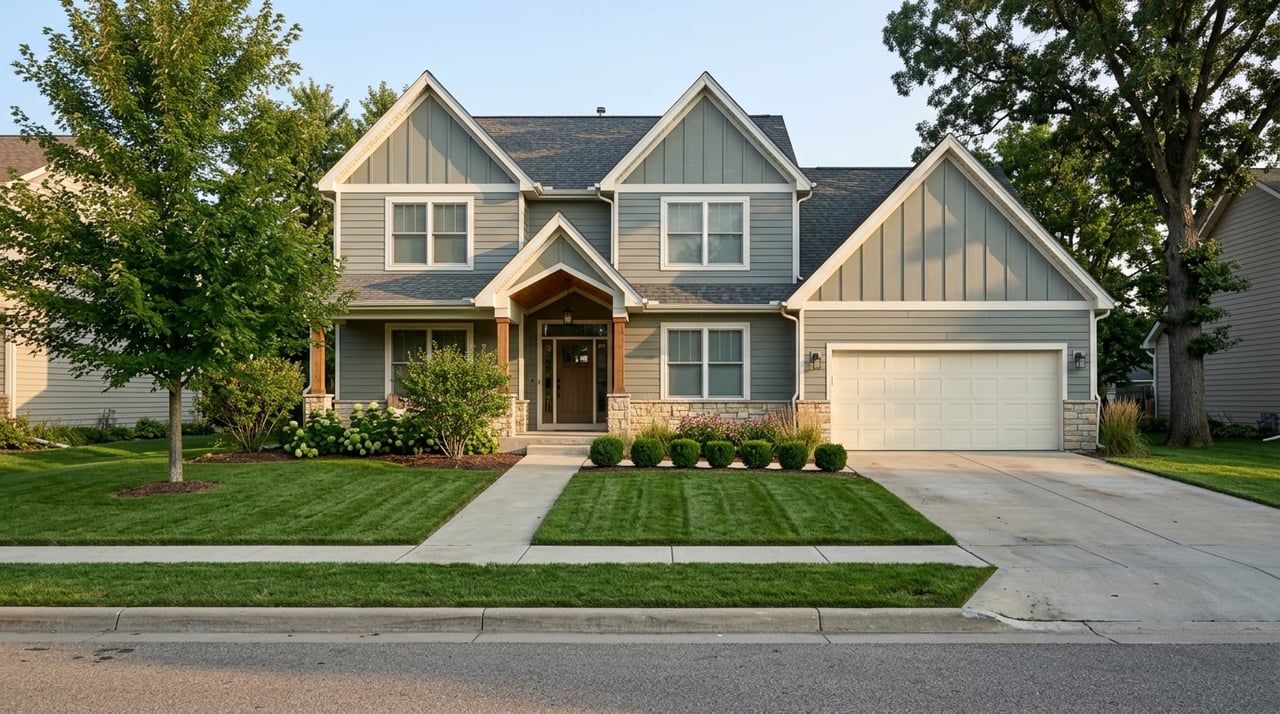
If you are shopping for a home in Pleasant Hill, the most common property type is a three- or four-bedroom house on about a quarter-acre lot. The city’s housing analysis says these homes are usually one or two stories and often include attached garages.
This helps set realistic expectations for buyers moving from a denser area or from out of state. Pleasant Hill is generally not a place defined by high-rise living or a large supply of attached housing.
Attached options do exist, but they are more limited. Most attached housing in Pleasant Hill consists of duplexes and townhomes rather than large condo developments.
Older and Newer Areas
The city’s analysis notes that older homes tend to cluster around Pleasant Hill Boulevard. Newer construction is more concentrated east of the historic core and around Copper Creek and Arbor Lake.
That gives buyers a fairly clear split in the market. If you want newer construction, you will likely focus on the newer subdivisions, while buyers looking for established areas may spend more time exploring the older parts of the city.
Pleasant Hill Home Prices
Recent market snapshots place Pleasant Hill broadly in the low-to-mid $300,000s, though each source measures the market a little differently. Zillow reported an average home value of $303,239 as of April 30, 2026, along with a median list price of $312,467.
Redfin reported a March 2026 median sale price of $295,000. Realtor.com reported a median listing price of $359,000 for Pleasant Hill and $356,995 for ZIP code 50327, with 93 homes for sale, a median of 41 days on market, and a 100% sale-to-list ratio.
The most practical takeaway is that Pleasant Hill appears to be a middle-ground market. It is not showing signs of being an extreme buyer’s market or an extreme seller’s market based on the sources provided.
The city’s 2023 housing snapshot adds more context. It found that many recent sales were in the $200,000 to $300,000 range, while newer construction often sold above $300,000, with some homes approaching $500,000 or more.
Who Pleasant Hill May Suit Best
Pleasant Hill tends to appeal to buyers who want a suburban setting with a strong single-family housing base, outdoor amenities, and straightforward access to Des Moines. If that sounds like your priority list, the city checks a lot of boxes.
It may be especially appealing if you want:
- A quieter daily environment than a dense in-town neighborhood
- A mix of newer subdivisions and established neighborhoods
- Parks, trails, and outdoor space woven into daily life
- A practical commute into Des Moines
- Mostly detached homes with functional suburban layouts
Like any move, the best fit comes down to your routine. If you want a highly urban setting with a large amount of attached housing and a more walk-everywhere lifestyle, Pleasant Hill may feel more suburban than what you have in mind.
What to Consider Before You Move
Pleasant Hill offers a lot of practical value, but it helps to think through your priorities clearly. The housing stock leans heavily toward single-family homes, so your choices may be strongest if that is what you want.
You should also keep the transit transition in mind if public transportation matters to your household. And because the market sits in a fairly balanced middle range, it is helpful to look closely at each neighborhood, home age, and price band rather than assuming the whole city behaves the same way.
If you are comparing Pleasant Hill with other Des Moines-area suburbs, the details matter. A local guide can help you narrow down whether you want newer construction, an established neighborhood, a townhome option, or a home with easier access to parks or commuting routes.
Pleasant Hill offers a comfortable suburban lifestyle with room to spread out, solid outdoor amenities, and a location that keeps Des Moines within easy reach. If you are thinking about buying or selling in Pleasant Hill, BVZ Homes can help you make sense of your options and move forward with confidence.
FAQs
What is the overall feel of living in Pleasant Hill, Iowa?
- Pleasant Hill has a suburban feel with small-town appeal, featuring mostly single-family homes, a quieter pace, and convenient access to the Des Moines metro.
What is the commute like from Pleasant Hill to Des Moines?
- Pleasant Hill is a practical choice for many commuters, and the city reported that 40% of residents commuted to Des Moines for work as of 2020.
What kinds of homes are common in Pleasant Hill, Iowa?
- The most common homes are three- or four-bedroom detached houses on about a quarter-acre lot, usually with one or two stories and an attached garage.
Are there parks and trails in Pleasant Hill, Iowa?
- Yes. Pleasant Hill manages 300 acres of parks and open space, five miles of trails, and natural areas, with Copper Creek Lake Park serving as a major outdoor amenity.
What are home prices like in Pleasant Hill, Iowa?
- Recent market snapshots place Pleasant Hill broadly in the low-to-mid $300,000s, with many sales in the $200,000 to $300,000 range and newer construction often selling above $300,000.